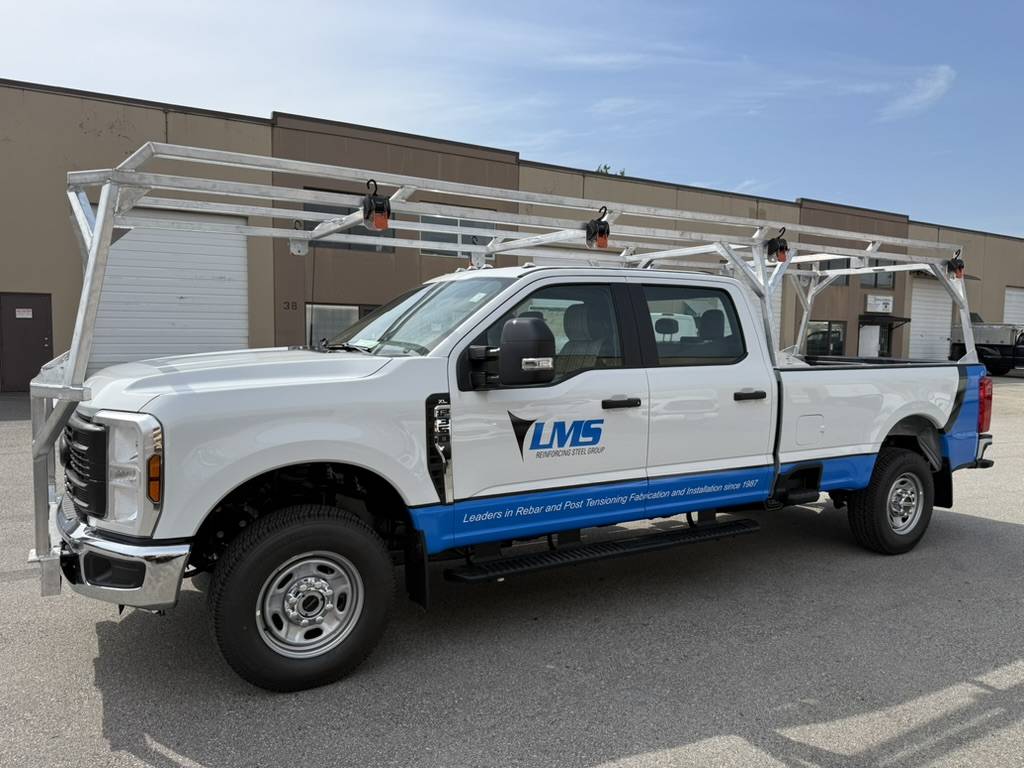
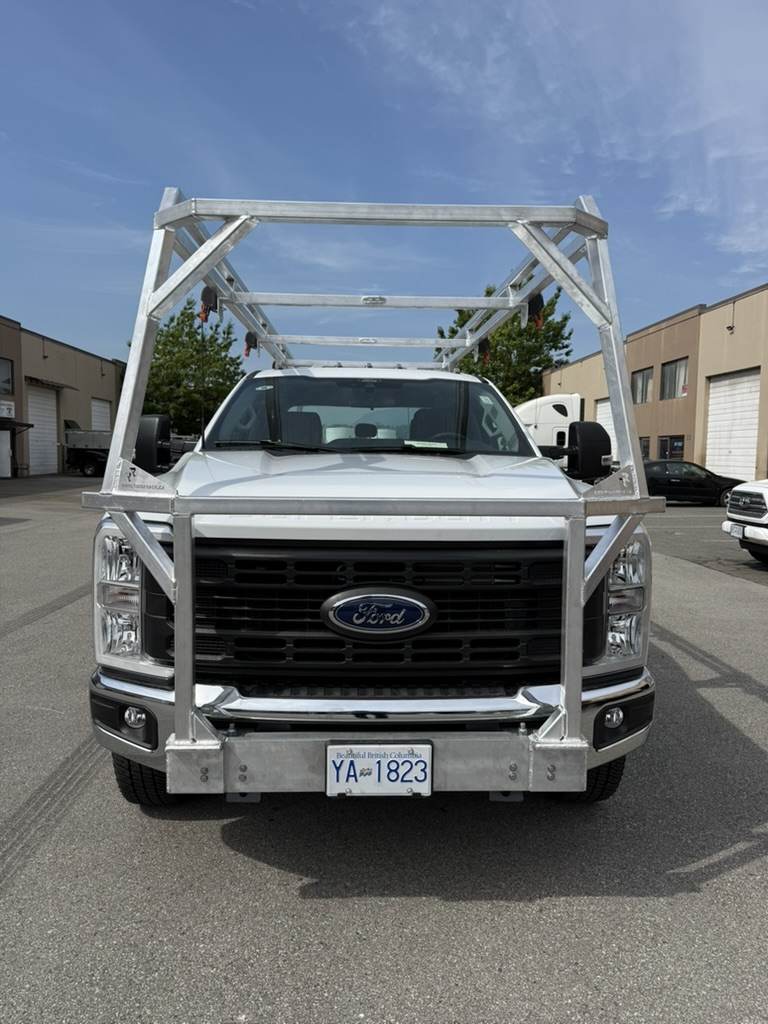
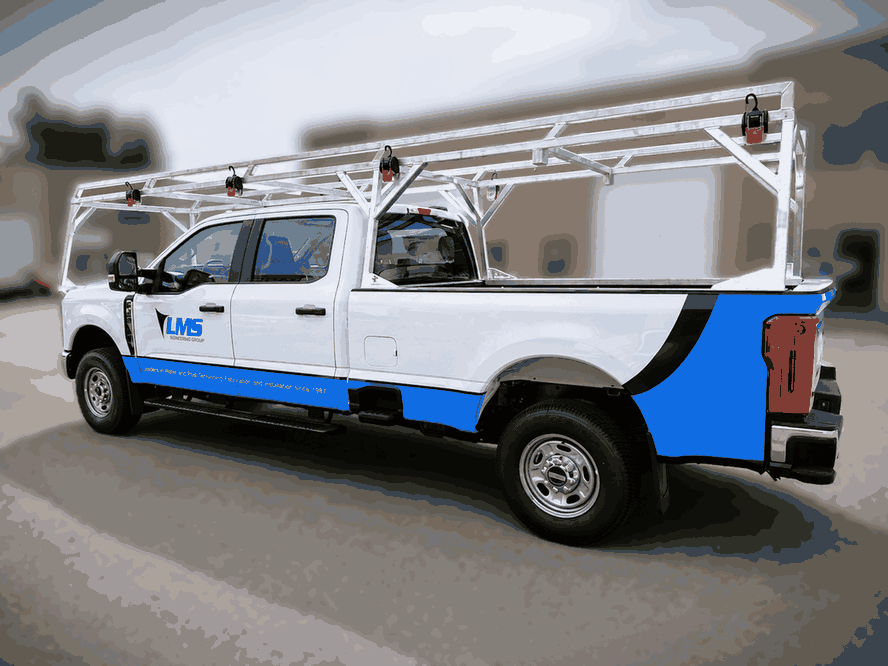
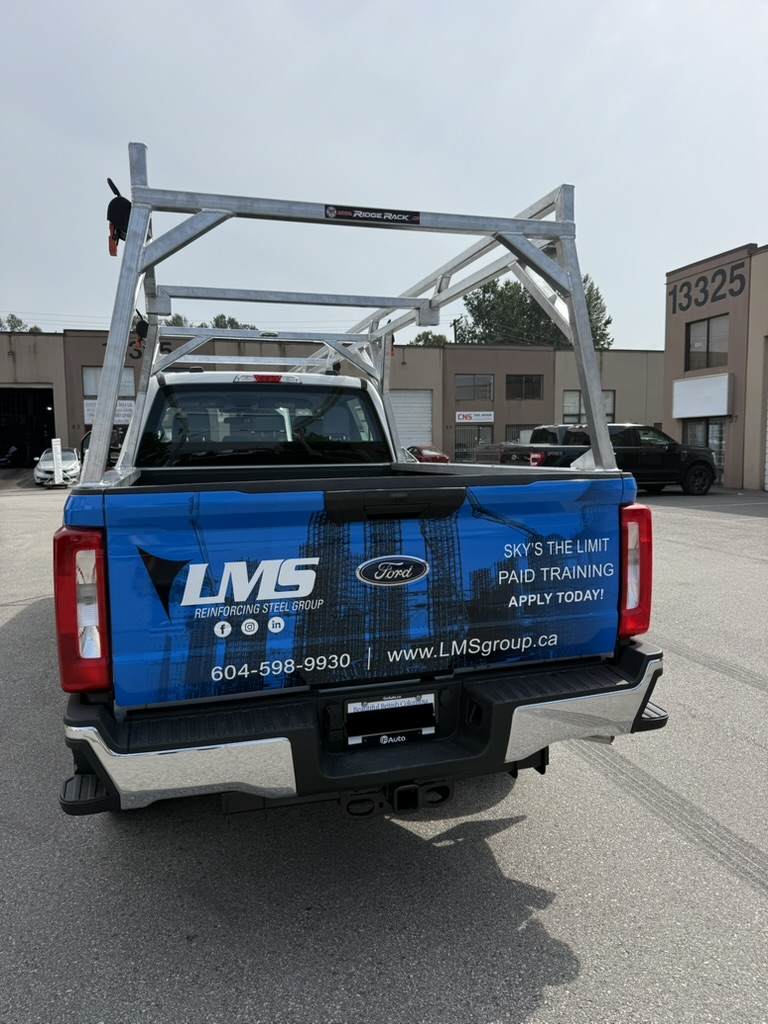
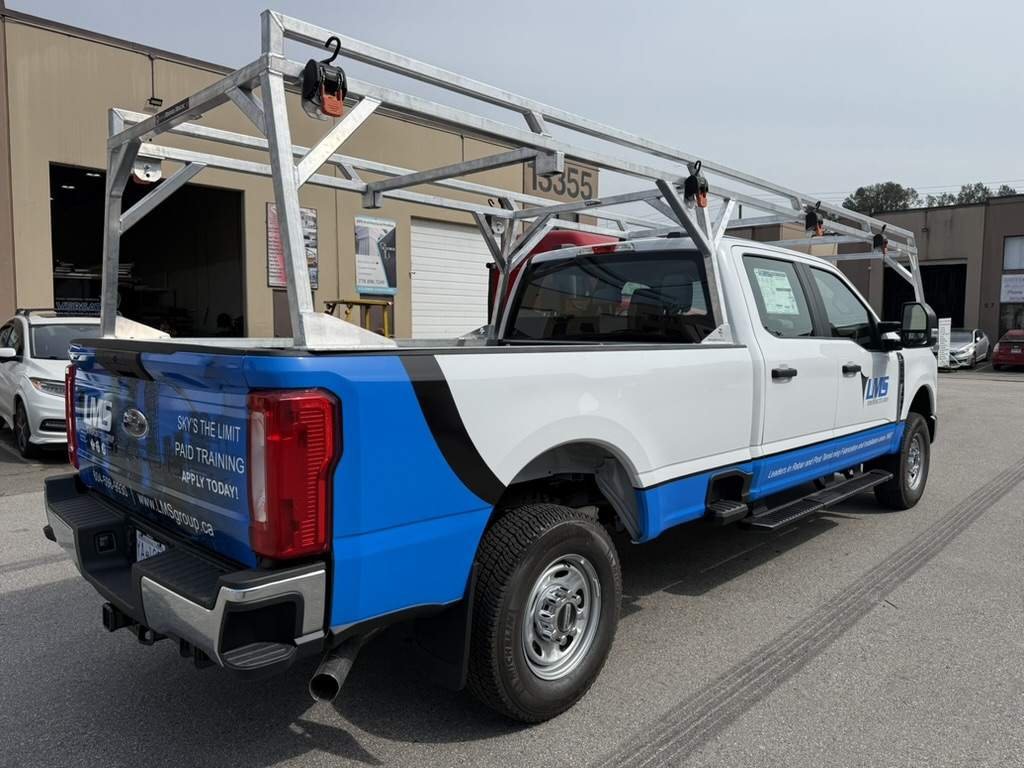
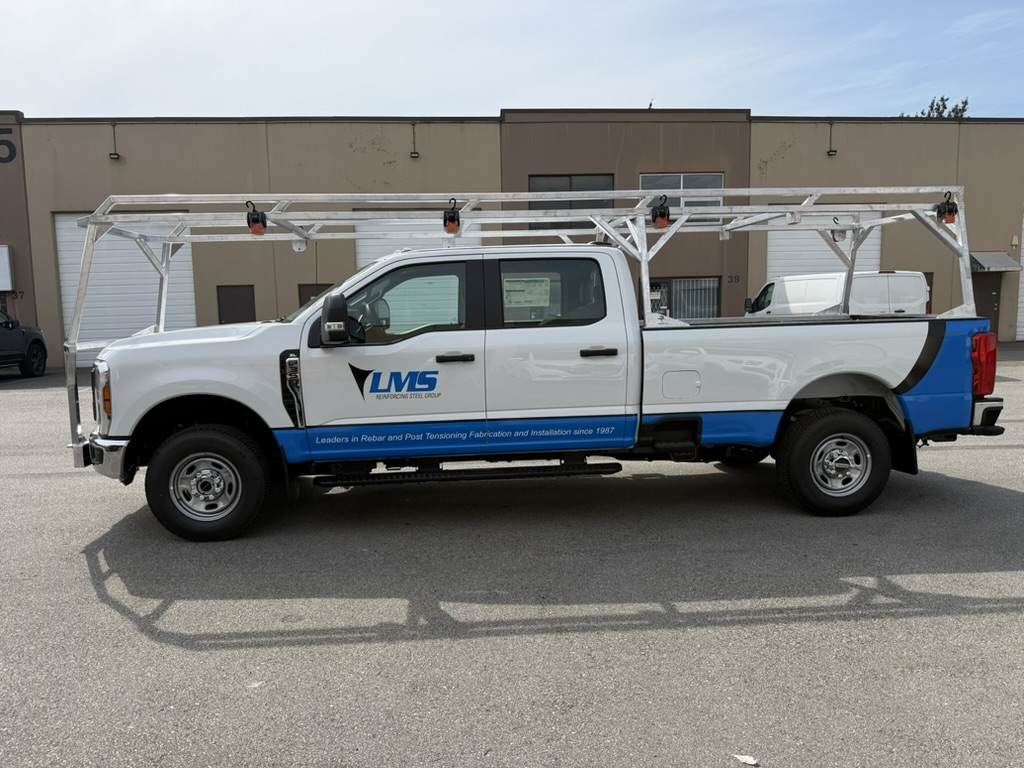
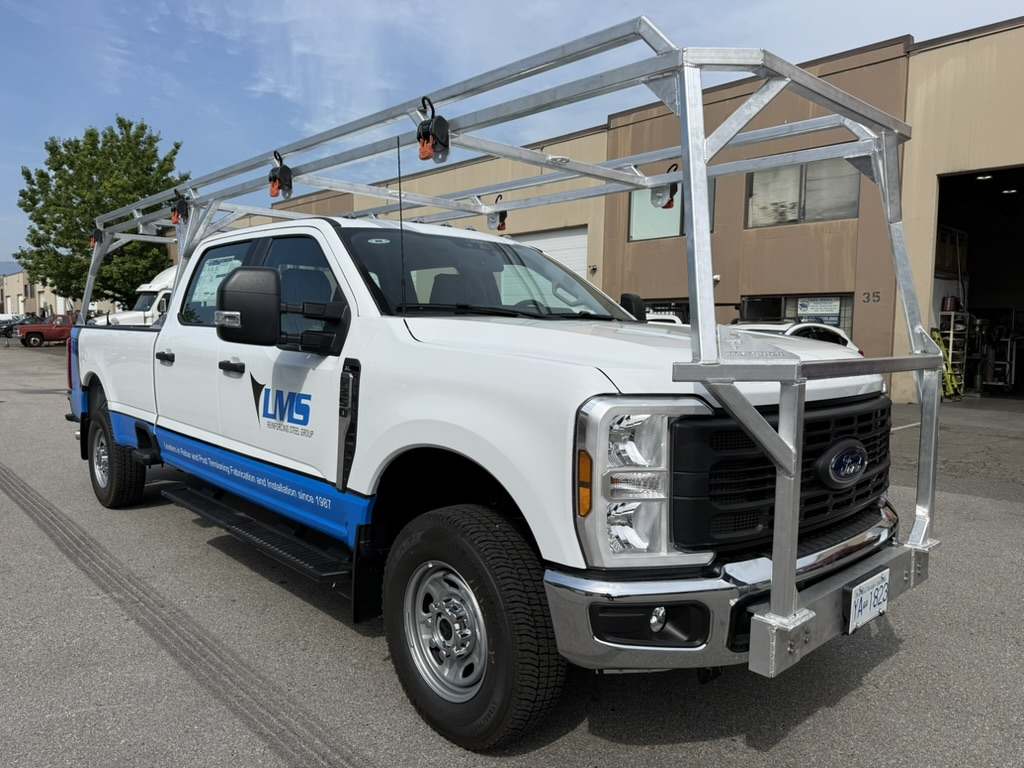
A full custom bumper to bumper rack is a purpose-built storage and transport solution designed to maximize the usable length of a work truck. Instead of relying on a short, generic rack that only covers part of the vehicle, a full-length system can extend from the front of the truck to the rear, creating a continuous structure for carrying long materials, tools, equipment, and jobsite supplies.
For contractors, tradespeople, service fleets, and commercial operators, vehicle storage is not simply about adding more space. It is about making the truck easier to use, keeping equipment organized, reducing wasted time, and creating a layout that supports the way the vehicle is actually used every day. A custom rack can be planned around the truck body, bed, cab, toolbox configuration, cargo type, and loading routine instead of forcing the operator to adapt to a one-size-fits-all system.
A full custom bumper to bumper rack is especially useful when the vehicle regularly carries long, awkward, or high-volume materials. Depending on the application, this may include ladders, conduit, pipe, lumber, metal sections, fencing components, construction materials, glazing equipment, landscape tools, traffic-control equipment, or other commercial cargo.
What Is a Full Custom Bumper to Bumper Rack?
A full custom bumper to bumper rack is a rack system designed to make use of the truck’s full working length. The exact layout depends on the vehicle and application, but the defining idea is continuity: the rack is planned as one integrated system rather than as isolated front and rear accessories.
Because the rack is custom, the design can account for the real dimensions and limitations of the truck. This is important because commercial vehicles often have existing equipment such as toolboxes, headache racks, bed covers, rear accessories, lighting, ladders, side storage, or specialty bodies that affect how a rack can be installed.
A custom design can also account for how cargo is loaded and unloaded. Some crews need easy side access. Others load long materials from the rear. Some need overhead carrying capacity while keeping the bed clear for tools and equipment. The rack should support those operating requirements rather than interfere with them.
Why Choose a Custom Full-Length Truck Rack?
Generic truck racks can work for simple applications, but they are often limited by fixed dimensions and standardized mounting points. A full custom bumper to bumper rack offers a more tailored solution for vehicles that serve as mobile workstations.
The primary advantage is usable carrying length. Long materials can be supported across a larger portion of the vehicle, which can improve organization and make loading more practical. A full-length structure can also provide more options for separating cargo from tools, keeping frequently used equipment accessible, and reducing clutter in the truck bed.
Another major advantage is workflow. A rack that is designed around the crew’s actual work can help reduce repeated rearranging of tools and materials. When equipment has a predictable place on the vehicle, crews can load faster, unload faster, and identify missing items more easily.
For businesses operating multiple service vehicles, a consistent custom rack design can also help standardize fleet organization. Similar trucks can be equipped around a common layout while still allowing modifications for vehicle-specific requirements.
Designed Around Your Vehicle and Your Work
A custom rack should begin with the vehicle and the job, not with a generic rack catalog.
Important planning factors may include:
- Vehicle make, model, and body configuration
- Truck bed length and width
- Cab height and roofline
- Existing toolboxes or storage compartments
- Material length and typical cargo size
- Loading direction
- Side-access requirements
- Rear-door, tailgate, or hatch clearance
- Lighting and visibility
- Frequency of loading and unloading
- Space needed for ladders, pipe, lumber, or specialty equipment
- Clearance around fuel doors, handles, and access points
- Future accessories or storage upgrades
The purpose of custom fabrication is to create a rack that works with these constraints instead of creating new ones.
Built for Commercial and Work Truck Applications
A full custom bumper to bumper rack can support a wide range of industries where vehicles regularly transport equipment or long materials.
Construction and General Contracting
Construction crews often transport ladders, lumber, conduit, long tools, framing material, metal sections, and jobsite equipment. A full-length rack can help keep these materials organized while preserving truck-bed space for tools, fasteners, and equipment.
Electrical and Mechanical Trades
Electricians, HVAC technicians, and mechanical contractors frequently carry conduit, pipe, ladders, channels, and long components. A custom commercial vehicle rack can be designed around these materials while maintaining access to toolboxes and side storage.
Fencing and Railing Contractors
Fence, railing, and fabrication contractors may need to move long posts, rails, sections, channels, or custom metal components. A full custom bumper to bumper rack can provide a dedicated carrying structure that supports the length and shape of these materials.
Landscaping and Property Maintenance
Landscape crews often transport long-handled tools, ladders, poles, irrigation pipe, and other bulky equipment. A custom truck rack can help separate these items from smaller tools and supplies stored in the bed.
Glazing and Specialty Trades
Some specialty contractors need a vehicle setup that combines overhead cargo carrying with side-mounted or specialty transport systems. A custom full-length rack can be planned as part of a broader vehicle equipment layout.
Traffic Control and Road Work
Traffic-control crews carry signs, poles, cones, stands, barriers, and related equipment. Traffic control racks can be planned around the type of traffic-safety equipment being transported and the crew’s loading sequence.
Maximize Truck Bed Space
One of the most practical reasons to install a full custom bumper to bumper rack is to free up space in the truck bed.
Long materials can consume a large portion of the bed even when they are relatively lightweight. When ladders, pipe, lumber, or long tools are moved to an overhead rack, the bed can remain available for toolboxes, machines, job boxes, smaller materials, and other cargo that is better stored lower in the vehicle.
This separation can improve organization and make it easier to reach frequently used equipment without unloading unrelated materials first.
For crews that work from the same truck all day, small improvements in loading and access can add up to meaningful time savings.
Better Organization for Long and Oversized Materials
Long materials are often difficult to organize because they do not fit naturally inside standard truck storage.
A full-length work truck rack provides a dedicated area for these items. Instead of allowing them to lie diagonally across the bed, extend awkwardly beyond storage areas, or block access to tools, they can be placed on a rack designed specifically for long cargo.
Depending on the intended use, the rack layout may include separated zones or attachment points that help keep different types of cargo organized. The best configuration depends on the material, vehicle, and work process.
Custom Fabrication vs. Off-the-Shelf Truck Racks
Off-the-shelf racks are usually designed to fit a broad range of vehicles. That can make them convenient, but it can also create compromises.
A generic rack may not align with existing toolboxes, may interfere with access points, or may not provide the usable length required for specific cargo. Standardized mounting locations may also limit how the rest of the truck is organized.
Custom fabrication takes a different approach. Instead of starting with a pre-defined rack and trying to make it fit, the rack is planned around the vehicle.
This allows the layout to account for:
- Existing equipment
- Real cargo dimensions
- Preferred loading methods
- Vehicle access
- Worksite requirements
- Future additions
- Fleet-specific needs
For commercial users, these details often matter more than having a universal product.
A Rack That Supports Your Workflow
A work truck is part of the operating system of a business. Every unnecessary movement, climbing into the bed, shifting materials, removing one item to reach another, adds time.
A properly planned custom truck rack can help reduce those inefficiencies.
For example, crews that regularly load from the rear may benefit from a layout that keeps the loading path open. Teams that access tools from the sides may need clearance around storage compartments. Vehicles that carry multiple types of long material may require separate support areas.
The goal is not simply to add a rack above the truck. The goal is to create a storage structure that supports how the vehicle is used.
Full-Length Support for Long Cargo
The phrase “bumper to bumper” describes the goal of maximizing usable rack length across the vehicle.
Longer support can be particularly useful for materials that extend beyond the truck bed. By spreading the support points over a greater distance, the system can provide a more practical platform for carrying long cargo.
The exact support configuration must be designed for the specific vehicle and application. Material length, weight, rack geometry, mounting method, and intended use should all be considered before fabrication.
No universal rack capacity should be assumed. Load requirements should always be confirmed for the actual rack design and vehicle.
Custom Rack Features and Configuration Options
Because each full custom bumper to bumper rack is application-specific, the final configuration can vary considerably.
Potential design considerations may include:
Over-Cab Extension
An over-cab section can increase usable rack length and create additional support for longer materials.
Rear Rack Extension
The rear section can be designed around the tailgate, bed, rear doors, or other vehicle equipment to maintain practical access.
Side Rails and Load Containment
Depending on the application, side structures may help organize cargo or reduce lateral movement.
Tie-Down Locations
Properly located tie-down points can make it easier to secure different types of cargo using appropriate restraint methods.
Toolbox Compatibility
The rack can be planned around existing cross-bed or side-mounted toolboxes to preserve access.
Accessory Integration
A custom rack can be designed with future vehicle accessories in mind, reducing the chance that one upgrade interferes with another.
Fleet Standardization
Businesses with multiple similar vehicles can develop a repeatable rack layout that simplifies equipment organization across the fleet.
Professional Installation Matters
A custom rack is part of the vehicle’s working structure, so installation should be treated as part of the design process.
Mounting locations, vehicle geometry, access requirements, and the intended use of the rack must be considered together. A well-designed rack installed poorly can create the same operational problems as a poorly designed rack.
Professional installation also makes it easier to verify clearances around doors, toolboxes, lighting, and other equipment before the vehicle returns to service.
Choosing the Right Full Custom Bumper to Bumper Rack
Before ordering a custom rack, it helps to define how the vehicle is currently used and what problems the new rack needs to solve.
Consider the following questions:
- What materials do you carry most often?
- How long are the longest items?
- How are those items currently loaded?
- Which tools or storage compartments need to remain accessible?
- Do materials need to be loaded from the side or rear?
- Will the truck be used by one operator or multiple crews?
- Are additional accessories likely to be added later?
What parts of the current vehicle setup cause delays or inconvenience?
These answers help define the right rack layout more effectively than simply choosing a rack based on appearance.
Full Custom Bumper to Bumper Rack for Fleet Vehicles
Fleet operators often benefit from standardization.
When every truck is organized differently, drivers and crews may spend more time locating equipment or adapting to unfamiliar layouts. A standardized custom rack system can create more consistency between vehicles.
This can be particularly useful for service businesses, contractors, municipalities, utilities, maintenance companies, and other organizations where multiple vehicles perform similar work.
A core rack design can be developed for a vehicle type and then adjusted where necessary for individual applications.
Improve Vehicle Organization Without Sacrificing Flexibility
Good vehicle storage should make a work truck more useful, not lock it into a single narrow purpose.
A custom full-length rack can be designed to support current needs while leaving room for future changes. For example, a business may later add a toolbox, side storage, equipment mounts, lighting, or other accessories.
Planning for those possibilities during the rack design process can help avoid conflicts and unnecessary rework.
Why a Purpose-Built Work Truck Rack Makes a Difference
Commercial vehicles are used differently from personal trucks. They may be loaded and unloaded repeatedly throughout the day, driven between multiple jobsites, and expected to carry a wide range of tools and materials.
Because of that, storage systems need to prioritize efficiency, durability, accessibility, and practical layout.
A full custom bumper to bumper rack can turn unused overhead space into functional carrying capacity while helping keep the truck bed organized for other equipment.
The result is a vehicle setup that is better aligned with the demands of daily commercial work.
Frequently Asked Questions About Full Custom Bumper to Bumper Racks
What is a full custom bumper to bumper rack?
It is a full-length rack system designed specifically around a truck or commercial vehicle. The layout is customized to the vehicle, cargo, existing equipment, and loading requirements.
Is a custom rack better than a universal truck rack?
It depends on the application. Universal racks can be suitable for basic use, while custom racks are generally better when vehicle layout, long cargo, toolboxes, specialty equipment, or workflow require a tailored solution.
What can a full-length truck rack carry?
Applications vary, but these racks are commonly used for long tools, ladders, pipe, conduit, lumber, metal sections, fencing components, landscape equipment, and other commercial materials. The actual load capacity depends on the specific design and vehicle and should be verified before use.
Can the rack be designed around an existing toolbox?
In many cases, yes. One of the main advantages of custom fabrication is the ability to plan the rack around existing vehicle equipment and access requirements.
Can a custom truck rack extend over the cab?
Depending on the vehicle and design, an over-cab extension may be incorporated to increase usable rack length and support longer materials.
Is the rack suitable for commercial fleets?
Yes. Custom rack designs can be useful for fleets because they can improve vehicle organization and create a more consistent equipment layout across similar trucks.
How do I know what rack configuration I need?
Start by identifying your vehicle, the materials you carry, the longest cargo, existing toolboxes or accessories, and how your crew loads and unloads the truck. These details help determine the most practical layout.
Get a Full Custom Bumper to Bumper Rack Built Around Your Truck
If your current truck setup wastes space, makes long materials difficult to carry, or forces your crew to constantly rearrange equipment, a full custom bumper to bumper rack can provide a more practical solution.
A custom rack is designed around the vehicle instead of asking the vehicle to adapt to a generic system. By considering cargo length, loading method, tool access, bed space, and future accessories, the final rack can become an integrated part of the way the truck works.
Contact us to discuss your vehicle, cargo, and workflow requirements and explore a custom rack configuration built for your application.