Whether you’re an electrician, plumber, HVAC technician, or general contractor, your work van isn’t just transportation — it’s your mobile workshop. The way you organize and equip it can make or break your efficiency on the job. That’s where the roof rack for work vans comes in.
In this guide, we’ll walk through everything you need to know about choosing the right roof rack, staying compliant, and keeping your tools and ladders secure — with local insight for trades across Surrey, Langley, and Vancouver.
Why a Roof Rack Matters for Your Work Van
A roof rack does more than add cargo space. It helps you:
-
Carry ladders, pipes, lumber, or sheet materials safely
-
Keep the van interior open for tools or shelving
-
Improve workflow and organization
-
Present a more professional image on-site
For tradespeople working across the Lower Mainland, a well-designed van roof rack is not a luxury — it’s an essential business tool that saves time, reduces clutter, and boosts safety.

The Main Types of Roof Racks for Work Vans
When shopping for a roof rack, you’ll see a range of configurations designed for different trade needs.
1. Ladder Racks
These racks make it simple to load, secure, and unload ladders without strain. Drop-down ladder racks are especially useful for taller vehicles like the Ford Transit High Roof, while clamp or roller-style racks are ideal for quick access throughout the day.
If you want to explore models built specifically for commercial use, check out Ridge Rack’s van racks section for examples suited to local trades.
2. Cargo or Utility Racks
Flat or modular racks that carry oversized materials, boxes, and long equipment. Perfect for construction, framing, and renovation work.
3. Specialty or Modular Systems
These racks allow full customization — add roller bars, conduit carriers, lights, or tool clamps to match your trade setup.
How to Choose the Right Roof Rack
Choosing the right system means considering a few key factors before you buy or install:
1. Vehicle Compatibility
Each van model — Ford Transit, Mercedes Sprinter, or RAM ProMaster — has unique roof shapes, load limits, and mounting points. Using the wrong system can damage the roof or compromise safety.
2. Load Capacity
Always check the maximum roof load in your vehicle’s manual. Overloading can impact handling and fuel efficiency.
3. Material and Build Quality
Most racks are made of either steel (strong but heavier) or aluminum (lightweight and corrosion-resistant).
For coastal climates like Vancouver, aluminum or powder-coated steel provides the best balance of strength and weather resistance.
4. Installation and Safety Compliance
In British Columbia, secure tie-downs and proper load distribution are mandatory. It’s also recommended to have the rack installed by a professional who understands local road-safety requirements.
You can always visit Ridge Rack’s location on Google Maps to get expert advice and see popular installation setups firsthand.
Smart Add-Ons: Ladders, Shelving, and More
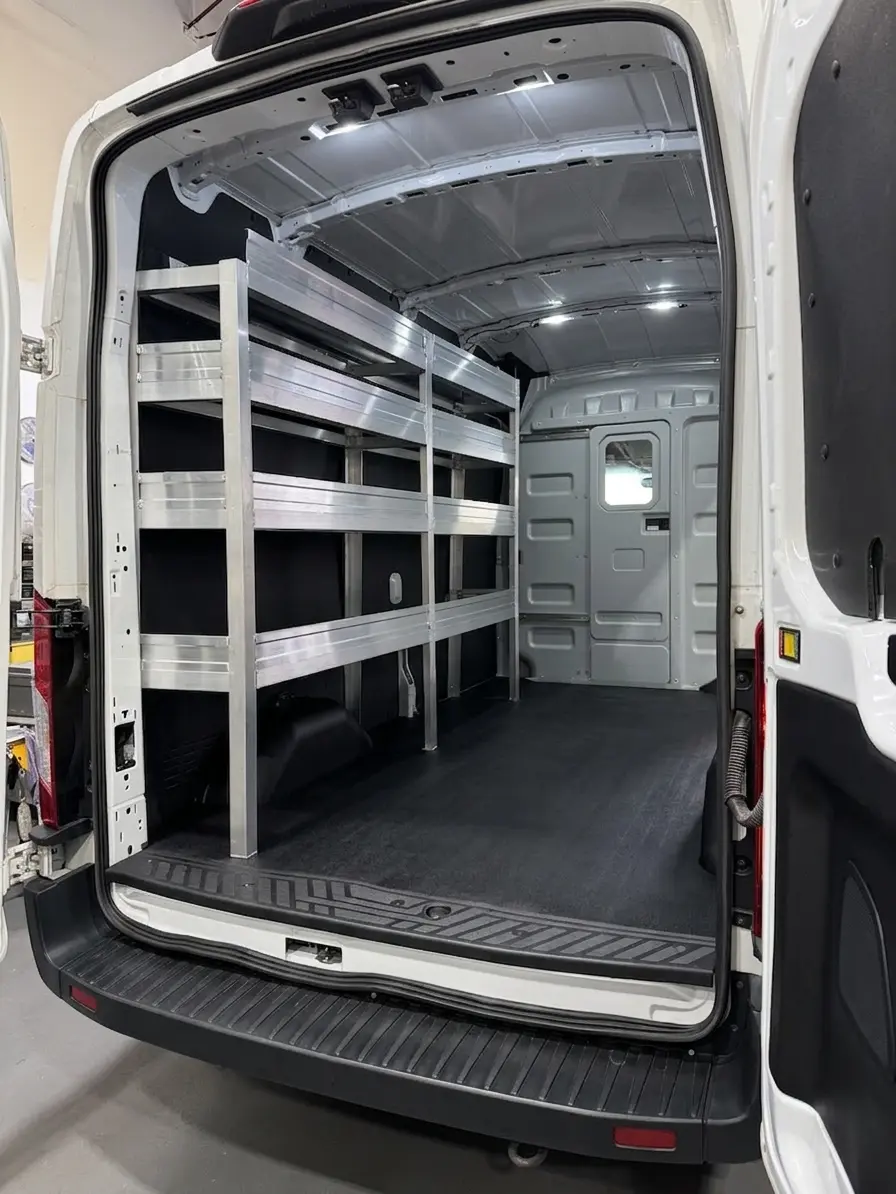
To truly optimize your van, think beyond the roof rack. Many professionals pair their exterior rack with an interior van shelving system to keep tools organized and within reach.
For example:
-
Electricians use shelves for wire spools, connectors, and tools, keeping ladders on top.
-
Plumbers mount piping up high, freeing the inside for fittings and small parts.
-
HVAC technicians store ductwork or tubing on roof racks while maintaining a clean work area inside.
Combining racks and shelving creates a seamless workflow — less time searching for tools, more time completing jobs.
Local Expertise: Why Trades in Surrey, Langley, and Vancouver Choose Ridge Rack
Local experience matters. Ridge Rack understands the demands of BC trades — from heavy rain to tight downtown parking. The team ensures each rack is installed for durability, safety, and long-term performance.
Customers often visit their Surrey location, easily found on Google Maps, to explore real setups and talk with installers about their van type and trade requirements.

Beyond Work Vans: Glass and Truck Racks
Not every job fits inside a van. Contractors transporting glass panels, windows, or oversized materials need something different.
That’s where glass racks — also known as truck racks — come in. These specialized systems safely carry fragile panels, large sheets, or construction glass while minimizing vibration and risk of breakage.
They’re especially popular among glaziers, renovation crews, and construction professionals who need maximum safety and efficiency on every trip.
Questions Contractors Often Search For
To ensure this guide truly helps, here are real questions local tradespeople often type into Google before choosing a rack:
-
What’s the best roof rack for a work van in BC weather?
-
Can I install a ladder rack for van myself or do I need a professional?
-
How much weight can a van roof rack hold safely?
-
Are there roof rack installers near me in Surrey or Langley?
-
What’s the best van shelving system setup for electricians or plumbers?
By addressing these, Ridge Rack positions itself as a trusted local resource — not just a seller, but a true partner for trades who care about safety and productivity.
Maintenance and Safety Tips
-
Inspect regularly: Check bolts, clamps, and tie-downs every few weeks.
-
Clean often: Rinse road salt and grime to prevent rust or corrosion.
-
Distribute loads evenly: Keep heavy tools centered to maintain balance.
-
Lock valuables: Use anti-theft locks or cable systems for overnight storage.
-
Know your limits: Never exceed the manufacturer’s load rating.
Ready to Upgrade Your Work Van?
A well-built roof rack turns your van into a professional mobile base. Whether you’re an independent tradesperson or managing a small fleet, Ridge Rack helps you customize, install, and maintain a system that works as hard as you do.
Visit Ridge Rack’s Surrey shop on Google Maps to see real-world installations or explore more solutions on the homepage.