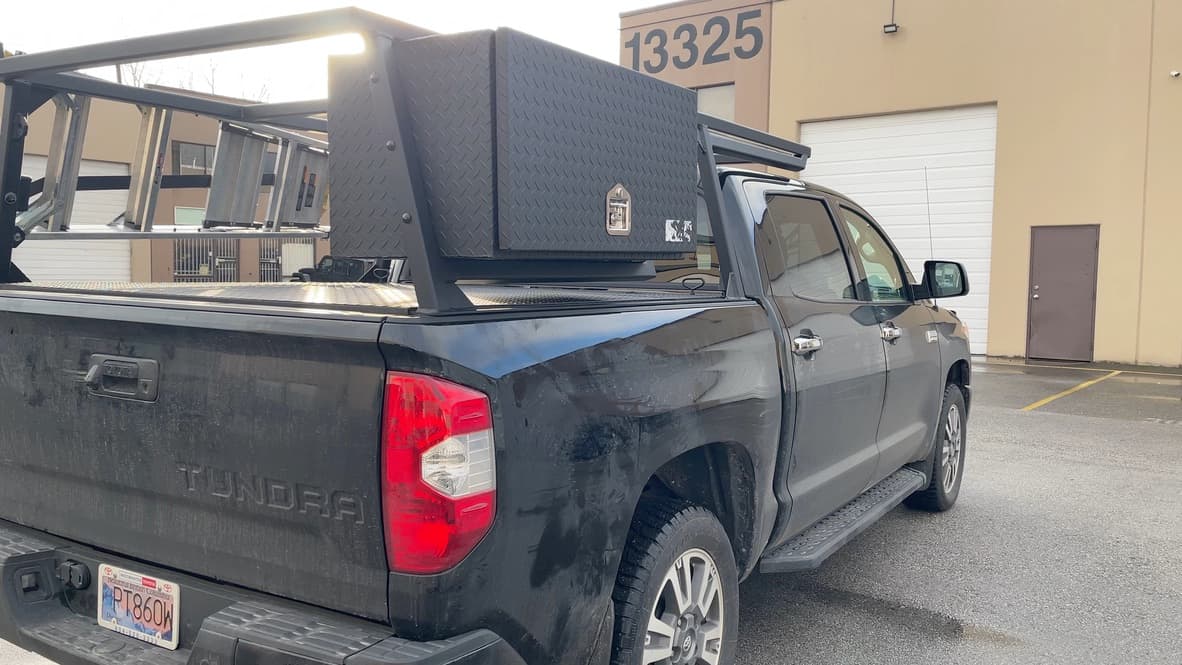
Whether you’re on the hunt for a Glass rack for Van as a tradesperson, over canopy racks to haul bulky equipment on your pickup, or extra-strong truck racks for industrial use, selecting the perfect roof rack can revolutionize how you transport cargo.
Before diving into technical details, let’s consider who needs roof racks and why. Are you a contractor who needs to carry ladders and glass panels? Perhaps you’re an outdoor enthusiast seeking more cargo space for camping gear. Or maybe you’re just looking for a versatile system to move furniture during weekend projects. Whichever category you fall into, you likely have questions such as:
- What are the main types of roof racks available, and which is best for my vehicle type?
- How do I account for weight limits and safety standards?
- Will a particular roof rack affect fuel efficiency or aerodynamics?
- Is professional installation necessary, or can I handle it myself?
Addressing these questions from the start helps ensure you choose a roof rack tailored to your lifestyle and vehicle specifications.
Understanding Different Roof Rack Options
Roof racks aren’t one-size-fits-all. Today’s market offers an array of designs, each suited to specific cargo and vehicle configurations:
- Bare Roof Mounts: Ideal for cars without pre-installed rails. They clamp to your vehicle’s door frame but require precise measurement.
- Factory Rails: Many SUVs and vans come with rails; adding crossbars creates a secure base for hauling cargo.
- Over Canopy Racks: Designed for pickups with canopies, they give you the flexibility to carry items above the enclosed bed space.
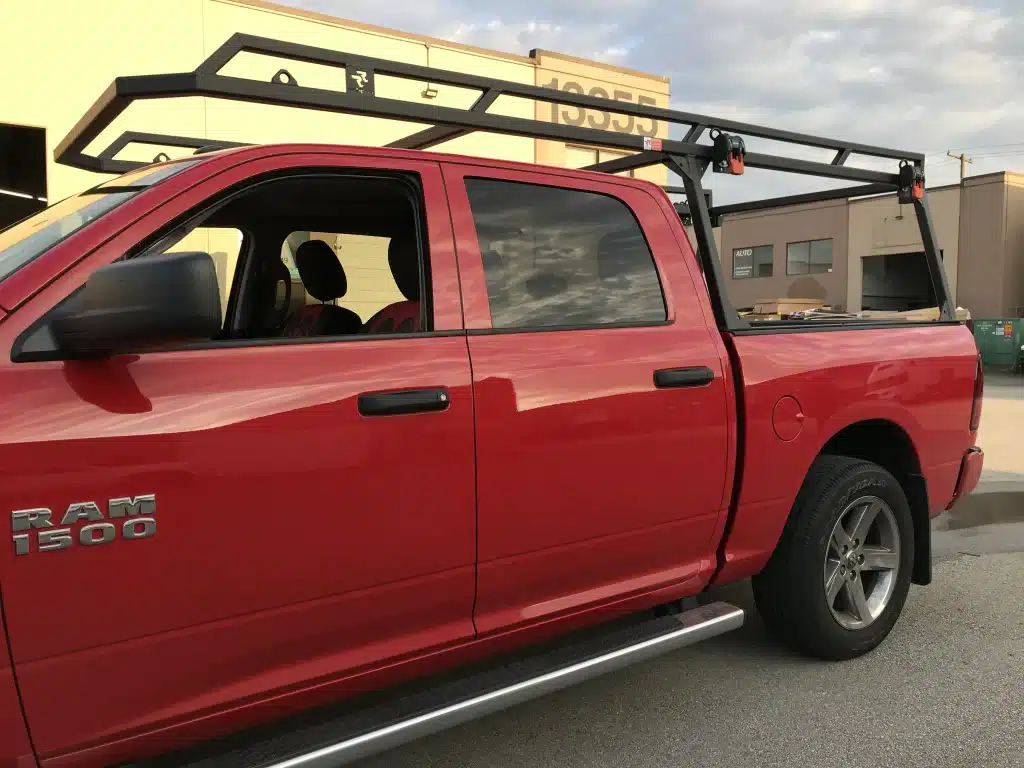
- Truck Racks: Heavy-duty systems suited for professional needs, often supporting higher load capacities for materials like lumber or piping.
- Glass Racks for Vans: Specialized racks featuring protective padding and segmented compartments to safely transport glass panels and other delicate materials.
Key Factors to Consider Before Buying
- Vehicle Compatibility: Check your vehicle’s make and model for recommended rack types. Consult your owner’s manual or manufacturer website for maximum load limits.
- Weight Capacity: Ensure the rack can support your typical cargo. Overloading may compromise safety and cause wear on both the rack and your vehicle.
- Installation Method: Some racks require drilling or permanent mounting, while others use clamps or custom fittings. Consider professional installation if you’re unsure.
- Aerodynamics and Fuel Efficiency: Low-profile designs and wind fairings reduce drag, improving mileage and minimizing wind noise.
- Security Features: Look for racks with integrated locks or the option to add locking mechanisms. This helps deter theft of both your rack and your cargo.
Step-by-Step Guide to Choosing the Right Roof Rack
1. Assess Your Cargo Needs: Identify whether you’ll be hauling sports gear, professional equipment, or simply extra luggage. Knowing the heaviest or most cumbersome item you plan to transport helps narrow your options.
2. Research Vehicle-Specific Solutions: Look for racks tested specifically on your vehicle model. Many manufacturers offer online tools to match racks to your exact make and year.
3. Compare Brands and Reviews: Investigate user feedback for durability, ease of installation, and noise levels. Trusted names like Thule, Yakima, and Rhino-Rack often have extensive testing data.
4. Check Local Regulations: Some regions have restrictions on load overhang or require reflectors for items extending beyond certain lengths.
5. Consider Future Needs: If you anticipate changing vehicles or cargo types, modular or adjustable racks can save you money in the long run.
Expert Insights
“Modern roof rack systems have evolved to meet the dual demands of convenience and safety. Always verify that both your vehicle’s roof and the rack can support the maximum load you plan to carry.” — James Barlow, Automotive Safety Researcher, SAE International
Conclusion
In 2025, choosing the right roof rack goes beyond simply picking a sturdy frame—it’s about matching your lifestyle, vehicle specifications, and safety requirements. From glass racks for vans that safeguard fragile cargo to truck racks designed for industrial-strength hauling, the ideal solution is one that balances durability with efficiency. When in doubt, consult a professional installer or refer to reputable brand guidelines to ensure a seamless, secure fit.
Ready to make your move? Take the next step by measuring your roof, defining your cargo needs, and researching high-quality products that fit your budget and style.
FAQ
1. Do I need a specific roof rack for glass transportation?
Yes. Glass racks for vans come with protective features like padded surfaces to prevent breakage. Regular roof racks typically aren’t suitable for fragile materials.
2. Will installing a roof rack void my vehicle’s warranty?
Generally, it won’t, especially if you follow the manufacturer’s guidelines. However, always check your warranty details or consult your dealer for clarification.
3. Are aerodynamic roof racks really more fuel-efficient?
Studies indicate that low-profile, aerodynamically designed racks can slightly improve fuel efficiency by reducing drag and wind resistance.
4. How often should I maintain or inspect my roof rack?
It’s wise to inspect your rack every few months, checking for loose bolts, rust, or worn padding. Regular maintenance extends the product’s lifespan and ensures safety.
5. Can I install an over canopy rack myself?
Many over canopy racks come with DIY instructions, but improper installation can lead to safety issues. If you’re unsure, consult a professional for peace of mind.
References